EPA Nixes Legal Justification for MATS Rule
The post EPA Nixes Legal Justification for MATS Rule appeared first on POWER Magazine.
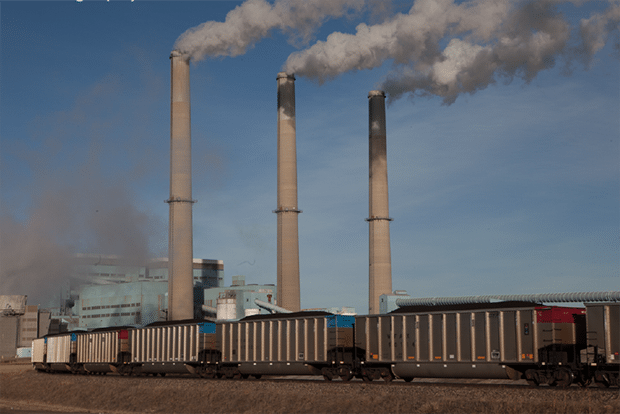
The Environmental Protection Agency (EPA) on April 16 withdrew the legal justification for an Obama-era rule that required coal-fired power plants to reduce their emissions of mercury. The Mercury and Air Toxic Standards (MATS) remains in place, but Thursday’s action by the Trump administration could prevent similar regulations from being implemented in the future.
EPA Administrator Andrew Wheeler in a statement said he was following through on the direction of the U.S. Supreme Court, and correcting the Obama’s administration’s “flawed cost finding” that determined the original regulations.
“Under this action, no more mercury will be emitted into the air than before,” said Wheeler. “EPA is following through on the Supreme Court’s direction and correcting the previous Administration’s flawed cost finding in its original rule. Today’s action maintains the mercury emissions standard, and meets the statutory obligation to review the adequacy of those standards. This is another example of the EPA, under the Trump Administration, following the law while making reasonable regulatory decisions that are fully protective of the public health and environment.”…
Clean Energy Sector Sheds 106,000 Jobs in March
The post Clean Energy Sector Sheds 106,000 Jobs in March appeared first on POWER Magazine.
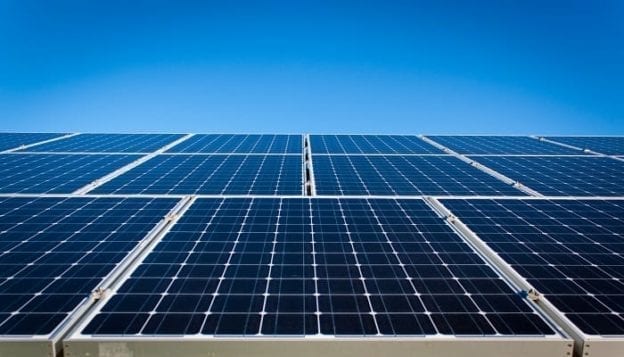
The renewable energy sector has been hit hard by the coronavirus pandemic, with more than 106,000 U.S. workers losing their jobs last month, according to an analysis of unemployment data released April 15 from several clean energy groups.
Wednesday’s report said hundreds of thousands more job losses in the sector are expected in the next several months due to the impact of COVID-19 lockdowns and quarantines, which have disrupted supply chains and created project delays worldwide.
The analysis of Department of Labor data by groups including E2 (Environmental Entrepreneurs), the American Council on Renewable Energy (ACORE), E4TheFuture, and BW Research Partnership found that 106,472 workers in clean energy occupations filed for unemployment benefits in March. Those job losses wiped out all 2019 job gains in the clean energy sector, which includes renewable energy, energy efficiency, clean vehicles, energy storage, and clean fuels.
Jobs lost include electricians, HVAC and mechanical trades technicians and construction workers who work in energy efficiency; solar installers; wind industry engineers and technicians; and manufacturing workers employed by electric and other clean-vehicle manufacturing companies and suppliers.…